
Health & Life Sciences
Support regulated and process-driven operations through reporting, integrations, workflow applications, system alignment, automation, ERP-connected tools, and applied AI.
Explore Health & Life Sciences →

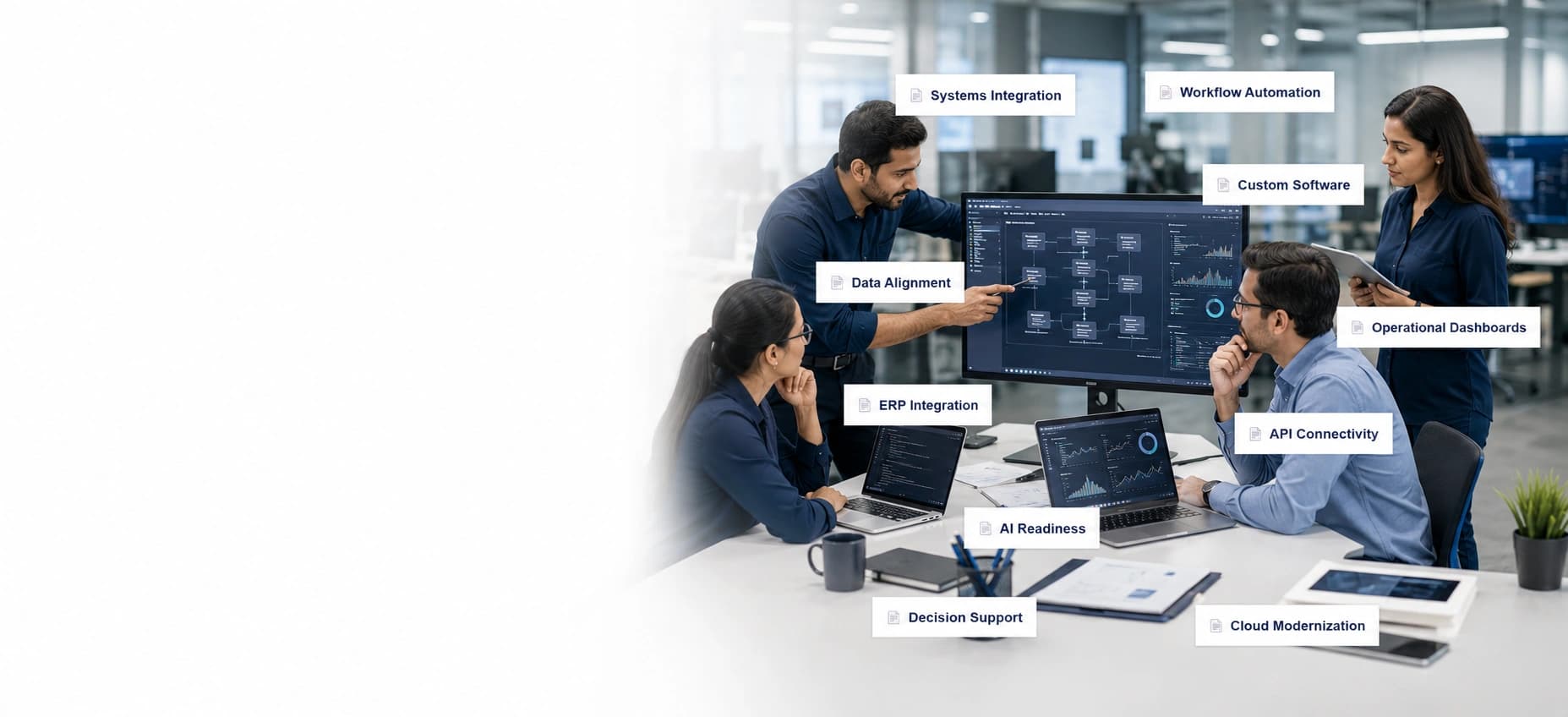
TECHNOLOGY & AI IMPLEMENTATION
Gyan Solutions helps organizations build, connect, automate, modernize, and improve the technology supporting daily operations.
From custom software and systems integration to ERP, reporting, workflow automation, mobile applications, modernization, and applied AI, we implement technology around defined workflows, users, data, systems, and business outcomes.
Technology implementation and operational review are scoped separately.
Build portals, internal applications, operational tools, mobile software, and purpose-built systems around workflows standard platforms cannot support effectively.
Connect ERP, CRM, ecommerce, databases, reporting, operational platforms, APIs, and existing applications so information moves reliably.
Improve dashboards, decision support, workflow automation, ERP-connected processes, approvals, exceptions, and repetitive operational work.
Implement applied AI, modernize legacy systems, improve infrastructure, and introduce new capabilities where there is a defined operational requirement.
Some organizations know something in the operation is not working but are not yet certain whether the answer is software, integration, automation, reporting, ERP improvement, AI, or another change.
Others already have a defined technical requirement and need implementation.
For organizations that need to understand the workflow, systems, data, reporting, responsibilities, and underlying operational constraint before deciding what technology should change.
 Review workflows, users, systems, data, reporting, handoffs, exceptions, and manual work.Identify where the actual constraint exists and what is causing delays, duplicate work, poor visibility, or inconsistent execution.Determine whether the right answer is process improvement, system configuration, integration, automation, reporting, modernization, AI, or custom software.

Operational Review & Improvement can stand alone as a complete engagement.
For organizations that already have a defined software, systems, reporting, automation, ERP, mobile, modernization, or AI requirement and need practical delivery support.
Turn the requirement into a clear implementation plan with defined users, systems, information, workflows, responsibilities, and outcomes.Build, configure, connect, automate, modernize, or extend the required technology.Test and implement the solution within the organization's existing operational and technology environment.Technology & AI Implementation can begin independently or follow Operational Review & Improvement.
Technology works best when it supports the operation rather than forcing the operation to work around the technology.
Gyan examines how users, workflows, systems, data, reporting, approvals, exceptions, and decisions connect before implementation begins.
This helps determine what should be built, what should be integrated, what should be automated, what existing technology should remain in place, and where a focused improvement can solve the requirement without introducing unnecessary complexity.
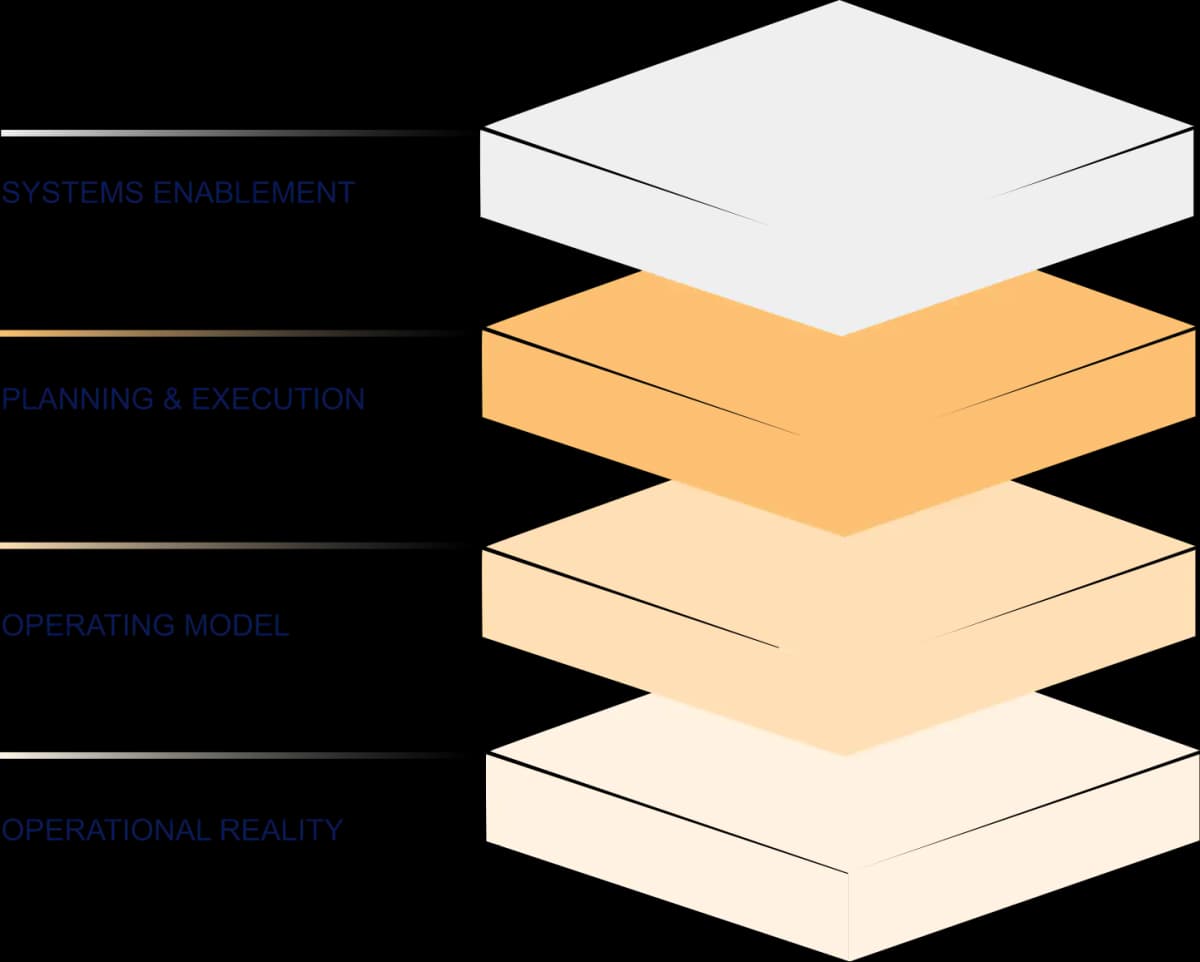
Choose the area that best matches the requirement.
Build software around the workflow instead of forcing teams into generic functionality that does not fit how the business operates.
Purpose-built portals, internal applications, dashboards, workflow tools, operational systems, and digital applications.
When standard platforms cannot support required workflows, users depend heavily on spreadsheets or workarounds, or an important operational capability is missing.
Custom applications, portals, dashboards, internal tools, workflow software, operational applications, integrations, and other defined software capabilities.
Connect business applications so information moves reliably between the systems and teams that need it.
Integration across ERP, CRM, ecommerce, databases, reporting platforms, operational applications, APIs, and other systems.
When employees repeatedly move information manually, systems contain conflicting records, data becomes fragmented, or important workflows cross several applications.
APIs, webhooks, middleware, synchronization, data mapping, system connections, automated data exchange, monitoring, and exception handling.
Reduce repetitive operational work once the workflow, rules, ownership, and exceptions are clear.
Automation across tasks, approvals, notifications, routing, document handling, system updates, and repeatable business processes.
When employees repeatedly perform predictable steps, chase approvals, transfer information, send routine notifications, or coordinate work manually.
Workflow automation, approval flows, system-triggered actions, notifications, routing, data updates, exception handling, and operational automation.
Turn operational information into clearer visibility around the decisions teams need to make.
Dashboards, reporting environments, KPI views, exception reporting, scorecards, and decision-support applications.
When reporting depends on spreadsheets, different teams report different numbers, information arrives too late, or management cannot easily see what requires attention.
Operational dashboards, management reporting, KPI models, exception views, automated reports, data connections, and decision-support tools.
Improve how ERP supports the workflows, integrations, reporting, data, and applications surrounding the core business system.
ERP extensions, integrations, custom workflows, reporting, portals, applications, and system improvements built around defined business requirements.
When the ERP remains important to the business but users rely on manual work, separate applications, spreadsheets, or disconnected processes around it.
ERP integrations, extensions, workflow improvements, custom applications, reporting, data alignment, automation, and supporting software.
Extend business and customer workflows to users who need to work away from a desktop.
Mobile applications for employees, customers, field teams, warehouses, stores, partners, and other defined users.
When users need to retrieve information, capture data, complete tasks, approve work, manage inventory, serve customers, or update systems while the work is happening.
iOS and Android applications, cross-platform applications, operational mobile tools, customer apps, API integrations, notifications, and mobile workflow software.
Improve existing applications without replacing useful technology unnecessarily.
Modernization of legacy applications, databases, interfaces, integrations, infrastructure, architecture, and supporting technology.
When an existing system still supports important work but has become difficult to maintain, integrate, secure, scale, or improve.
Application modernization, architecture improvement, API development, interface updates, database improvements, cloud migration, integration, and selected rebuilding.
Apply AI to defined operational requirements where interpretation, retrieval, classification, analysis, language, or decision support can improve the workflow.
AI-enabled applications, knowledge assistants, workflow support, document processing, operational decision support, and AI capabilities connected with existing systems.
When employees spend significant time interpreting documents, finding information, assembling context, reviewing exceptions, classifying information, or preparing recurring decisions.
AI assistants, retrieval systems, AI workflow automation, document intelligence, decision-support tools, generative AI capabilities, and AI integrations.
Improve how applications are deployed, monitored, maintained, and supported across development and production environments.
Infrastructure, CI/CD, deployment automation, cloud environments, containers, monitoring, and operational reliability practices.
When releases are difficult, environments are inconsistent, infrastructure requires too much manual work, or applications need more reliable deployment and monitoring.
CI/CD pipelines, deployment automation, cloud infrastructure, Docker environments, monitoring, environment alignment, and reliability improvements.
Separate structured content from frontend applications where the business needs more flexible content delivery across websites, ecommerce, portals, mobile applications, or multiple channels.
Headless CMS architecture, implementation, content modeling, APIs, frontend integration, migration, and connected content environments.
When content needs to support several applications or channels, the current CMS limits frontend flexibility, or content is duplicated across digital environments.
Headless CMS implementation, Strapi development, content architecture, Next.js and React integration, APIs, migration, multi-site support, and systems integration.
Start with the workflow, system, reporting, data, or operational requirement rather than choosing the tool first.
Technology implementation makes sense when the underlying requirement is clear enough to define what needs to change and why.
Technology implementation makes sense when a business knows what is not working, why it matters, and what needs to change. The next step is finding a practical way to fix it without disrupting what already works. Sometimes the answer is connecting systems that do not share information properly. Other times, it means reducing manual work, making reports easier to access, or building software that better supports how teams work every day.
Before starting, it helps to know which systems are involved, who will use the solution, and what improvements the business expects to see. Not every problem needs a new system. The goal is to make better use of what is already in place and build something new only when there is a clear reason to do so.
Manual work is repeatedly slowing important workflows or creating duplicate effort.Disconnected systems need information to move reliably between them.Teams lack the reporting or visibility required to manage operations effectively.Existing ERP or business systems need targeted improvement rather than replacement.A defined workflow is ready for automation or better system support.AI, mobile, or custom software has a clear use case, user, data source, and outcome.A technology project becomes harder when implementation starts before the operating requirement is understood. We begin with what the business needs to accomplish and work toward the technology from there.
We examine the users, workflows, systems, data, reporting, handoffs, exceptions, constraints, and outcomes behind the requirement. If technology is not the right first answer, we make that clear.
We define what should change, which systems are involved, what information matters, who will use it, what the technology should own, and how success will be evaluated.
We implement the agreed software, integration, reporting, automation, ERP, mobile, modernization, infrastructure, or AI capability and validate it against real operating scenarios.
Technology is selected around the requirement, existing environment, integration needs, security, maintainability, performance, and long-term support—not because a particular framework happens to be popular.

React
Next.js
Angular
JavaScript / TypeScript
Node.js
Python
.NET
PHP
React Native
Flutter
Native mobile technologies
AWS
Microsoft Azure
Google Cloud
PostgreSQL
MySQL
MongoDB
Power BI
Tableau
Metabase
SQL / Data Platforms
AI APIs and models
Retrieval and knowledge systems
Workflow automation platforms
Custom AI-enabled applications
Technology implementation often involves improving the environment the organization already has rather than replacing everything.
NetSuite
Microsoft Dynamics
Odoo
QuickBooks
Existing ERP environments
Salesforce
HubSpot
Existing CRM environments
Shopify
WooCommerce
Magento / Adobe Commerce
BigCommerce
POS and marketplace environments
QMS
LIMS
Inventory systems
OMS
WMS
Field-service platforms
Custom operational systems
Power Automate
Zapier
Make
Retool
Custom workflow services
REST APIs
Webhooks
Middleware
ETL / data pipelines
Custom APIs
Power BI
Tableau
Metabase
Custom reporting environments
Technology requirements change depending on the workflow, users, data, regulatory requirements, customers, physical operations, and systems involved.
Support regulated and process-driven operations through reporting, integrations, workflow applications, system alignment, automation, ERP-connected tools, and applied AI.
Explore Health & Life Sciences →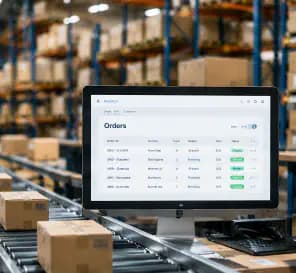
Connect customers, orders, inventory, fulfillment, stores, marketplaces, service, reporting, automation, and custom commerce applications.
Explore Ecommerce & Retail →
Support scheduling, work orders, field teams, customer information, mobile workflows, service reporting, inventory, billing, and operational coordination.
Explore Facilities & Field Services →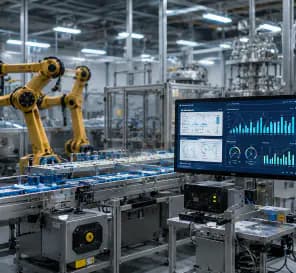
Connect production-related workflows, ERP, inventory, quality, maintenance, reporting, operational applications, automation, and management visibility.
Explore Manufacturing →Start with Operational Review & Improvement, Technology & AI Implementation, or both depending on how clearly the requirement is already defined.
We discuss the workflow, users, current systems, data, reporting, manual work, limitations, priorities, and any technical requirement already identified.
We determine whether the work requires Operational Review & Improvement, Technology & AI Implementation, or both. The outcomes, systems, functionality, integrations, responsibilities, controls, priorities, and delivery approach are defined before work begins.
We support the agreed work—from workflow and system review through software development, integrations, dashboards, automation, ERP improvement, mobile applications, modernization, infrastructure, and AI implementation.
30-minute call
No obligation
Review and implementation scoped separately
Real outcomes from our operations consulting and implementation engagements.
Start with the workflow, systems, data, reporting, and operating requirement before deciding what needs to be built, connected, automated, modernized, or improved.
Discuss Your Technology Requirement→


30-minute call
No obligation
Review and implementation scoped separately
Gyan supports custom software development, systems integration and data alignment, business automation, operational reporting and decision support, ERP software development, mobile applications, software modernization, AI development, DevOps, headless CMS development, and related implementation work.
No.Many engagements involve improving or connecting technology the organization already uses rather than building a completely new application.The requirement may involve integration, reporting, automation, ERP improvement, modernization, mobile software, AI, or another focused technology change.
No.If the requirement, users, systems, data, workflow, and expected outcome are already clear, Gyan can move directly into Technology & AI Implementation.Operational Review & Improvement is useful when the symptoms are clear but the correct technology direction is not.
Yes, where appropriate technical access is available.Many Gyan projects involve connecting or improving existing ERP, CRM, databases, ecommerce, reporting, operational applications, and other business systems.
We examine what the workflow needs to accomplish and what existing systems can already support.Custom software becomes appropriate when an important requirement cannot be handled effectively through existing platforms, configuration, integration, reporting, automation, or other focused improvements.
Yes.Where the workflow, rules, ownership, exceptions, and required system actions are defined, Gyan can implement automation around repetitive tasks, approvals, notifications, routing, information movement, and other business processes.
Yes.Existing systems can be improved across architecture, interfaces, APIs, integrations, databases, reporting, cloud infrastructure, performance, maintainability, and selected application components.
Yes.Gyan implements AI around defined operational requirements such as knowledge retrieval, document processing, workflow assistance, analysis, exception support, structured generation, and operational decision support.
Yes, where appropriate integrations and access controls are available.AI applications can potentially use approved information from ERP, CRM, databases, documents, reporting tools, APIs, and other systems while preserving defined permissions and human oversight.
Yes.Gyan develops mobile software for customer, employee, store, warehouse, field, operational, and other defined business workflows.
Yes, for defined application and implementation requirements.This can include cloud environments, CI/CD, deployment automation, containers, monitoring, and other reliability improvements.
Yes.Gyan supports headless CMS architecture, implementation, frontend integration, migration, APIs, and systems integration, including Strapi-focused development.
Gyan's primary technology work supports operational environments including Health & Life Sciences, Ecommerce & Retail, Facilities & Field Services, Manufacturing, and other mid-sized organizations with complex workflows, systems, reporting, and implementation requirements.
Talk to our technology team about software, systems, data, automation, AI implementation, reporting, integrations, ERP, mobile applications, modernization, DevOps, headless CMS, or other workflow-focused technology requirements. In 30 minutes, we'll help identify whether the right next step is implementation support, system alignment, custom development, automation, AI, or an operational review.
Focused on your goals
You decide the next step.
Consulting & implementation