


Quick Summary
Protect personal data and ensure CCPA compliance with a proactive data mapping strategy. Learn how mapping data flow enhances privacy, reduces security risks, and streamlines response times for consumer data requests. At Gyan Consulting, we help businesses implement comprehensive data mapping to safeguard personal information and improve operational efficiency.
As the digital applications continue to amass personal data, business organizations are under growing pressure to determine precisely where the data is stored, its route, and who has access to it. The California Consumer Privacy Act (CCPA) has made data transparency a legal priority, and not a best practice. Those companies that are unable to map the personal data clearly are now at regulatory, operational and reputational risk.
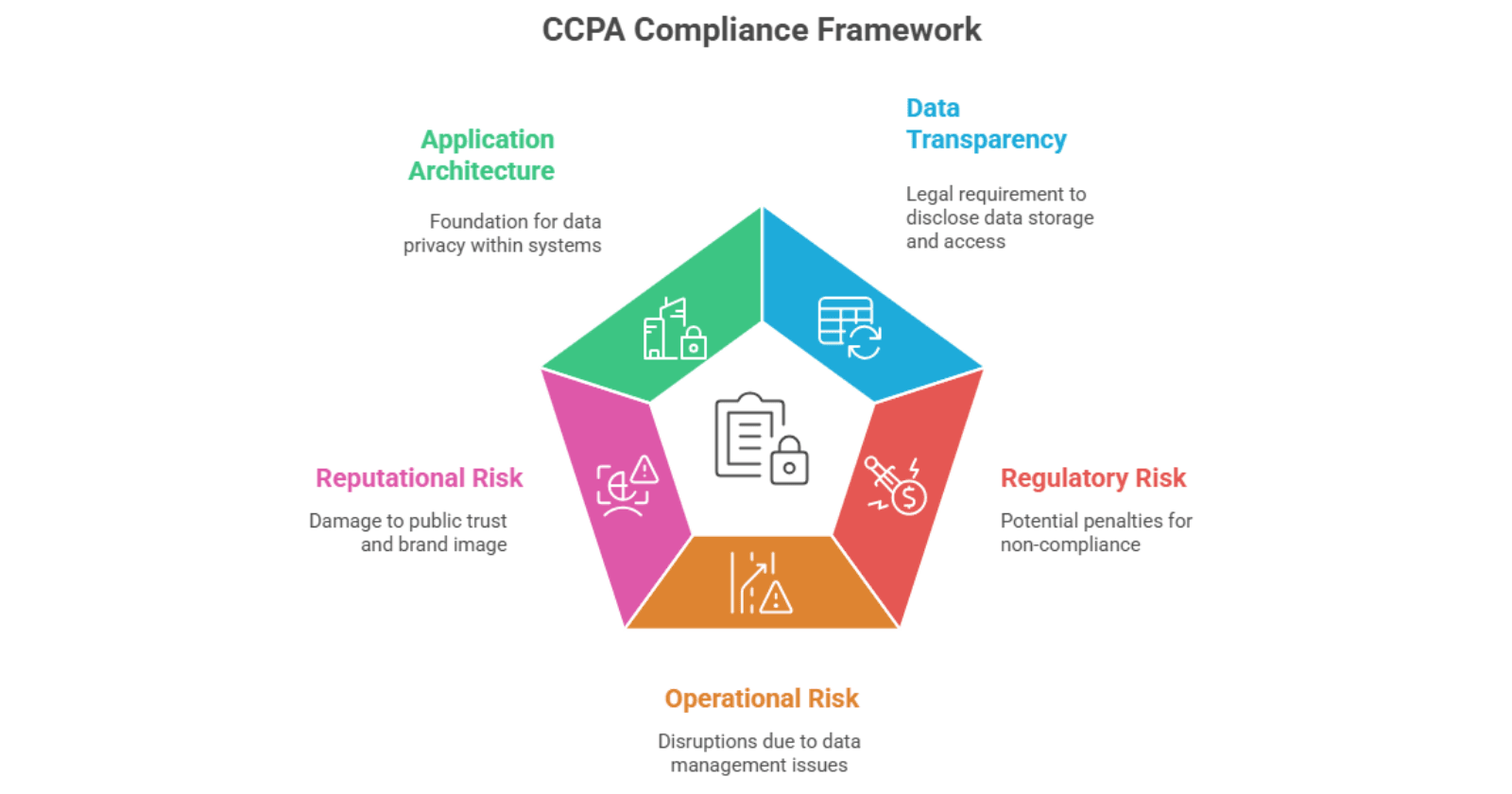
Several organizations think that compliance is in terms of policies and disclosure. As a matter of fact, CCPA compliance is initiated at the very bottom of application architecture. Even privacy policies which are well written only crumble without proper data mapping. This is the reason why we consider data mapping as an engineering science, and not a documentation process.
What Data Mapping Really Means Under CCPA
CCPA data mapping does not simply list databases. It will demand comprehensive knowledge of the way in which personal data has been gathered, processed, stored, shared, and destroyed among systems. This will consist of user inputs, background processes, third-party integrations and internal analytics pipelines. Such end-to-end visibility is the only way organizations can be sure about the risk management and the need to comply with the regulations.
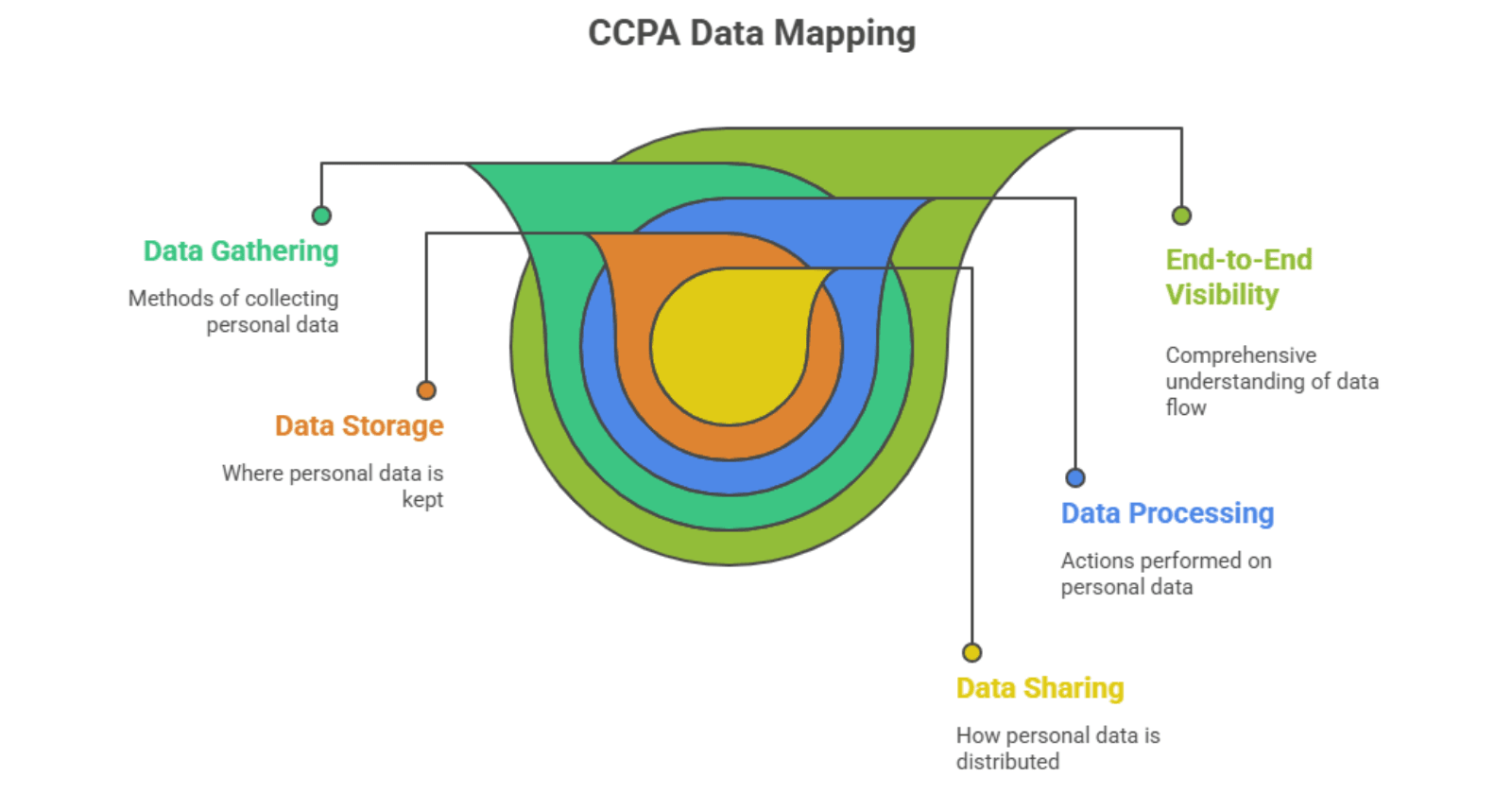
During the audit of a single enterprise application, we found that personal identifiers were sent through seven services before reaching long-term storage. Two of those paths were not even recorded in memory. In the absence of mapping, companies will have no clue about the unseen exposure areas that increase the risk of breaches and non-compliance. This is where privacy statement documentation becomes essential to provide transparency and assurance throughout the application.
Identifying Personal Data Across the Application Stack
The initial phase of useful data mapping is to define all the types of personal information. This would encompass not only the more visible data such as names and emails, but less visible data such as IP addresses, device identifiers, session logs and behavioral metadata. By taking this entire spectrum, no delicate information is left unmentioned in privacy and compliance practices.
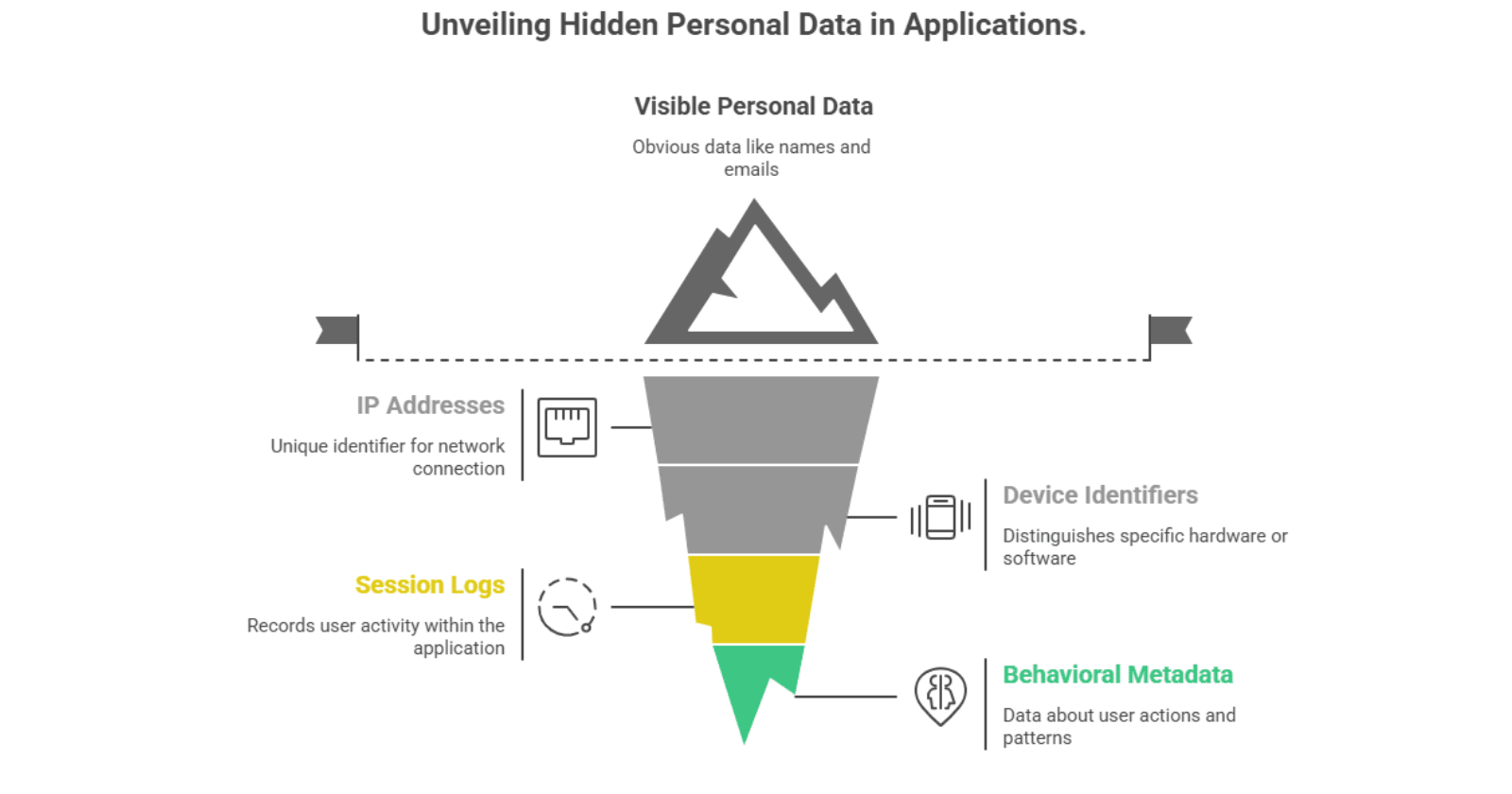
In a SaaS platform review, more than 35% of personal data fields were present in log files and event streams but not in primary databases. However, the company was able to minimize its exposure footprint by discovering these hidden data stores early, which helped to consolidate their security and compliance efforts and ensure their data was better protected.
Tracing Data Flow From Entry to Exit
Knowing what data is available is not enough. CCPA requires an understanding of how data flows through the system from the point of collection through the point of deletion. We trace data flows throughout APIs, background jobs, analytics tools and third-party services to build a full lifecycle view. This clarity allows the ability to enforce retention, access and deletion policies with confidence.
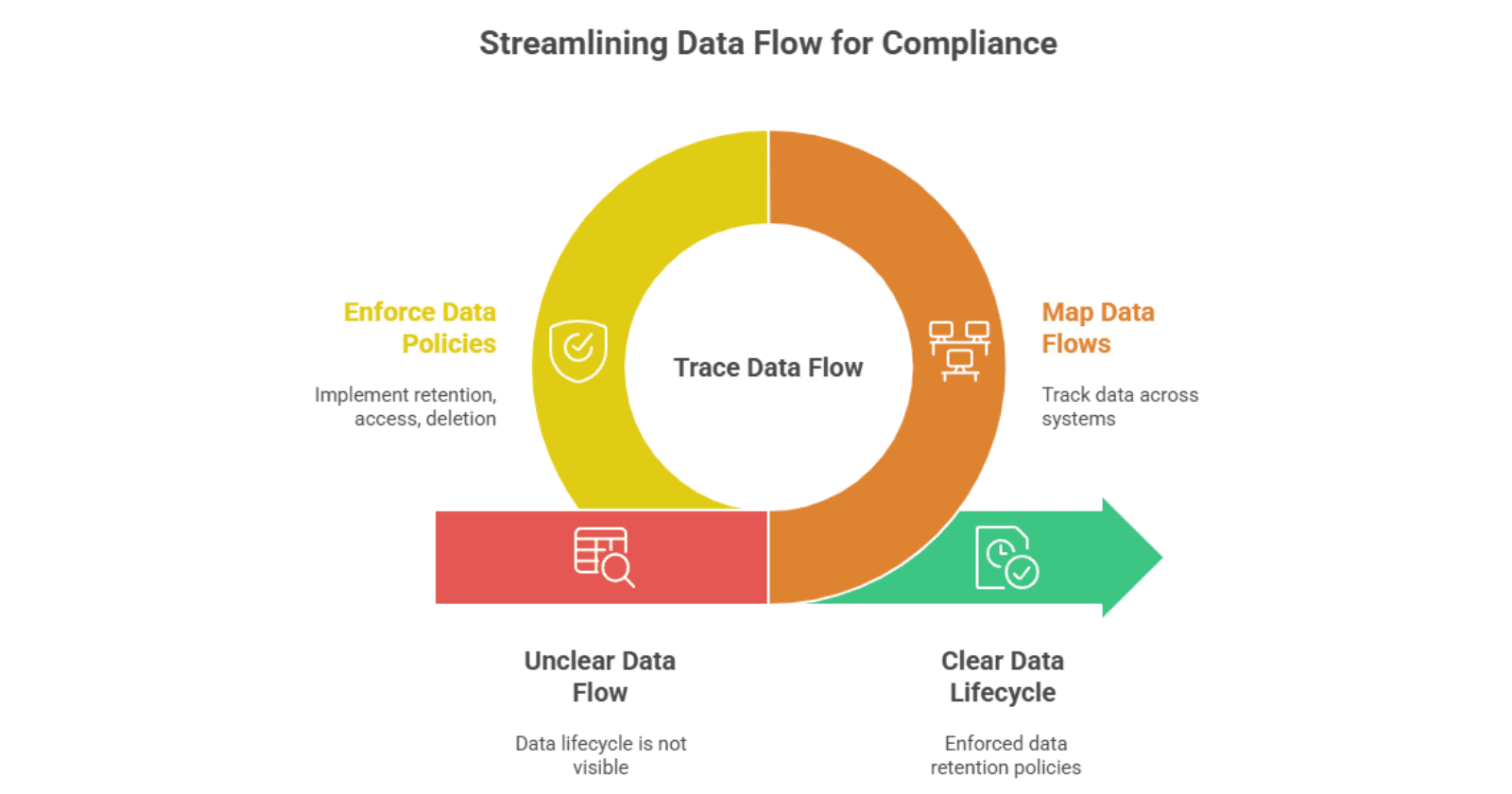
For a logistics application, mapping exposed the fact that customer addresses were kept in analytics systems long after their operability ended. By matching rules for retention times with actual usage, the company was able to eliminate unnecessary data storage by 42% in two months. This was an adjustment that reduced the risk of compliance, as well as reducing storage costs and system complexity.
Classifying Access and Ownership to Reduce Risk
Data mapping also explains the accessibility of personal information and the reason. Various applications gain permissions naturally in various applications, resulting in access sprawl. In CCPA, unwarranted access enhances compliance and risk of breach. Sachs (2019) states that clear visibility allows the organization to implement least-privileged access and preemptively improve control.
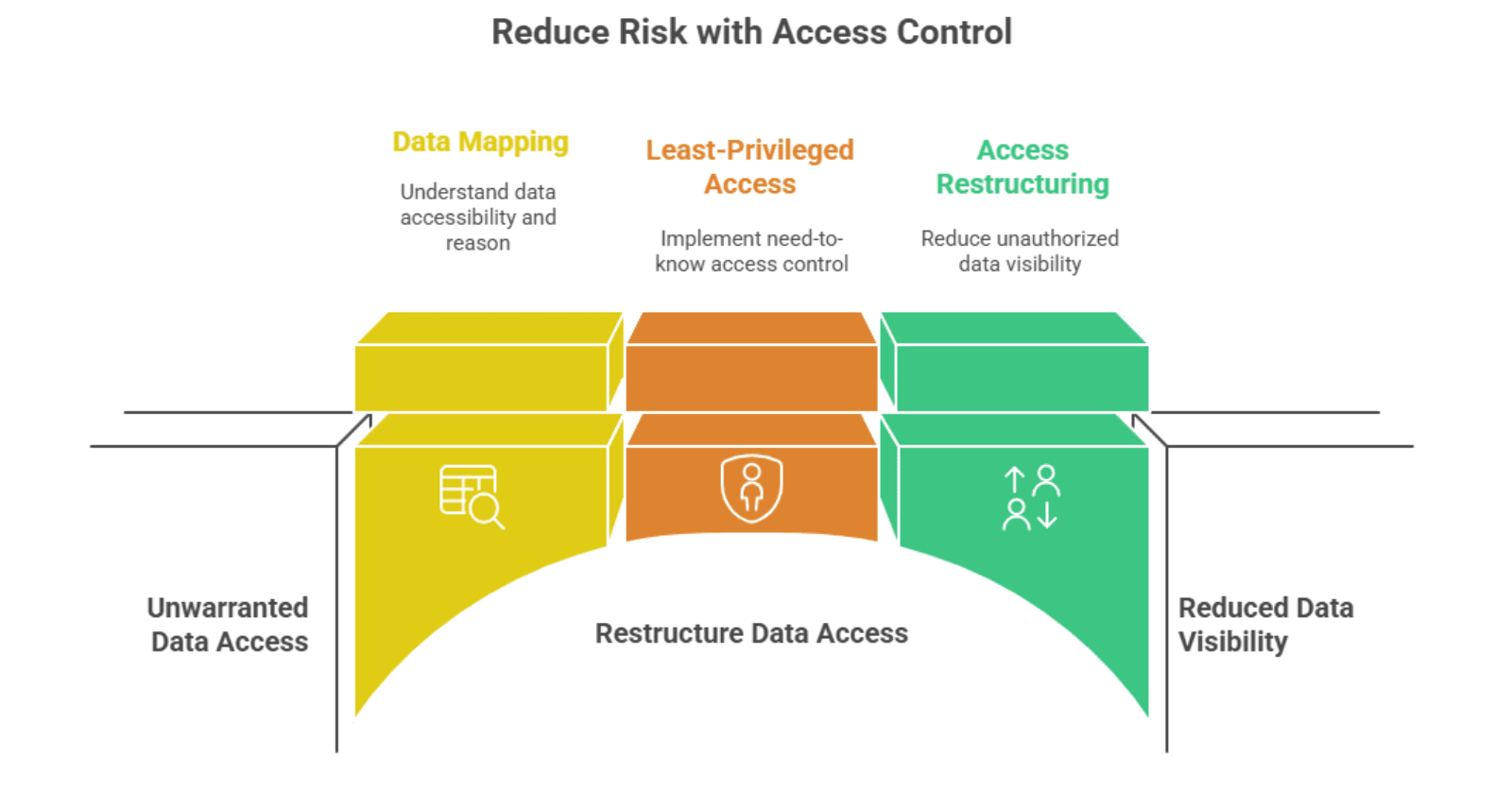
There was a multi-team setting with more than 60 internal users who got access to customer data with no apparent business justification. Following the restructuring of access based on the mapped data use, the unauthorized visibility was reduced by more than 50%, enhancing the audit readiness and security posture. It was also easier to identify the people who accessed data and the reason as well.
Embedding Data Mapping Into Application Design
The compliance with CCPA can be achieved much easier in case the data mapping is incorporated into the development lifecycle. We do not retrofit compliance later after launch, but build data flow documentation in design reviews, API specifications, and checklists used to deploy the service. This is a proactive way of minimizing the compliance gaps and avoiding expensive correction later on in the production.
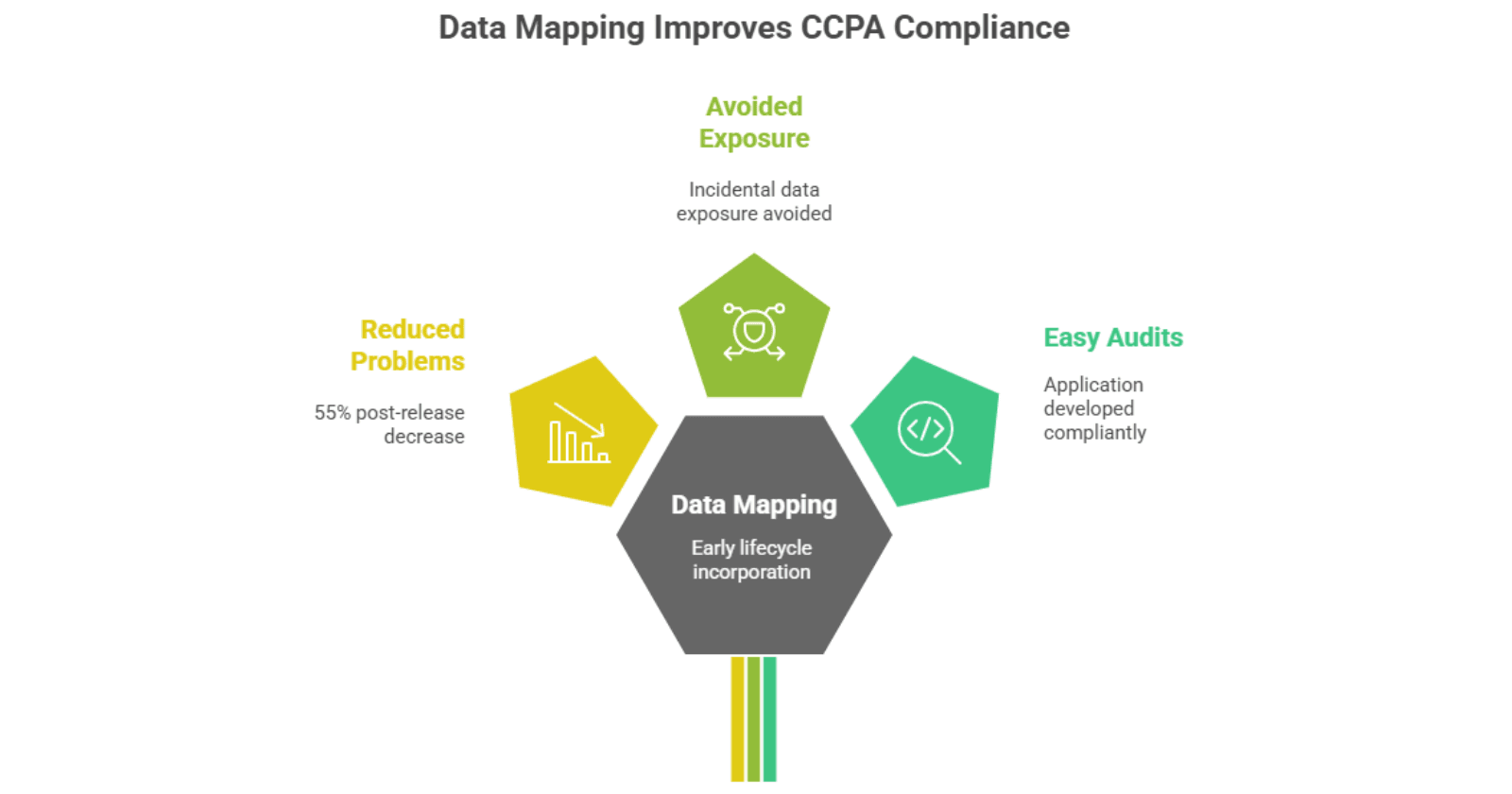
One client with a fintech firm that implemented this strategy cut the post-release compliance problems by 55%. By developers being aware of data responsibilities in advance, the incidental exposure of data was avoided, and future audit was easy since the application was developed. Consequently, compliance became a normal process of development and not a disruptive thought.
Supporting Consumer Rights Requests With Confidence
CCPA provides consumers with a right to access, delete, and learn about the way their data is used. Unless data is mapped adequately, responding to such requests will be speedy and erroneous. Qualitative maps enable teams to find and intervene with individual data in a fast way. This is a very fast pace that is necessary to keep up with the regulatory timelines as well as customer trust.
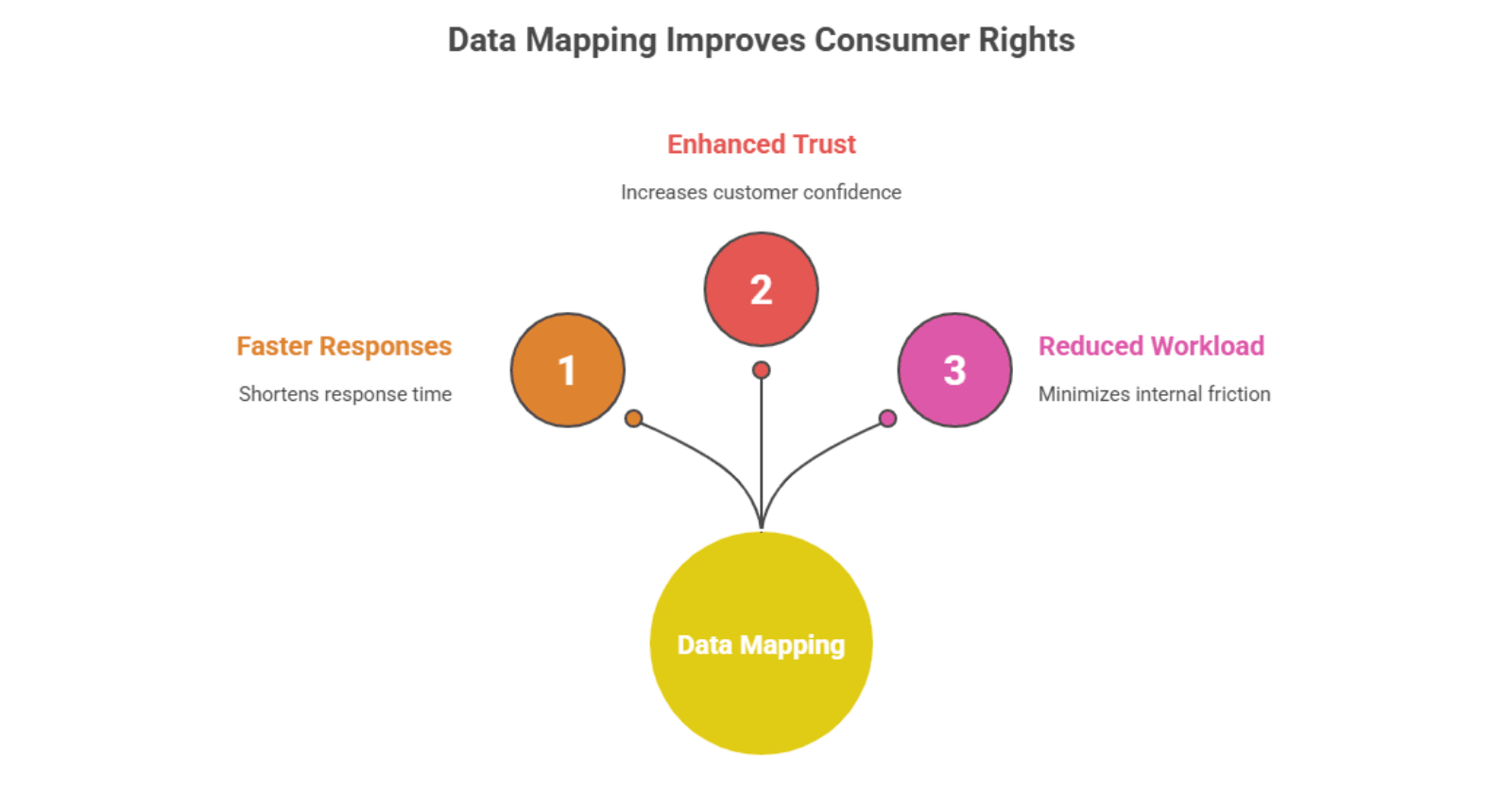
After operationalizing data mapping, one client shortened the average response time to requests of consumer data by 18 days to less than 5 days. Quick responses did not only enhance compliance but also enhanced customer confidence. The enhanced efficiency also minimized internal workload and internal friction of support teams.
Real-World Impact: Avoiding Compliance and Security Failures
One of the ecommerce sites was under threat of penalties due to its inability to respond appropriately to a data access request. With the help of detailed data mapping, we discovered unregistered data duplication between third-party marketing tools and internal backups. When these gaps are identified, it has enabled the company to correct disclosures to avoid such compliance risks in future.
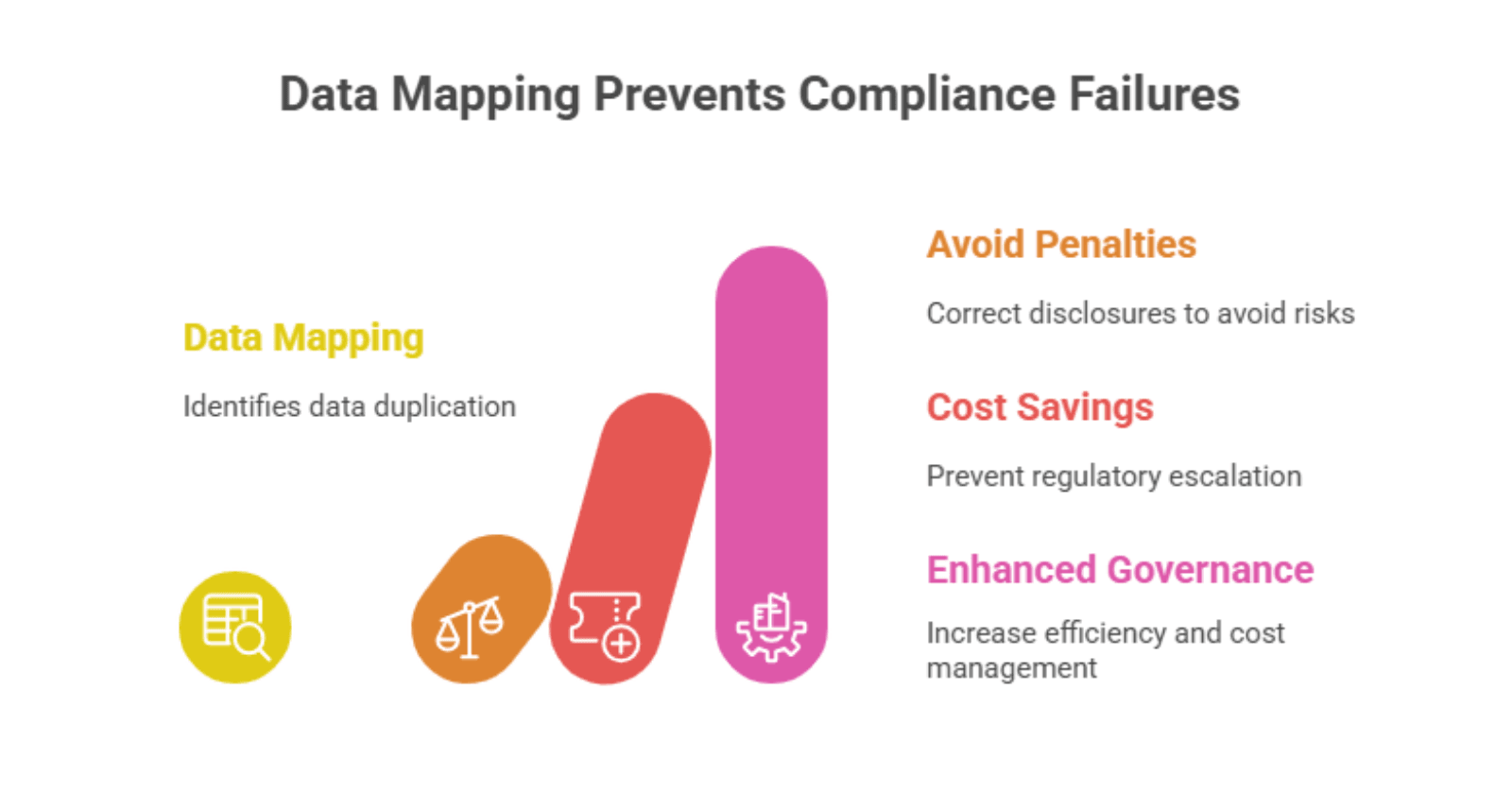
Through rectification of data streams and harmonization of deletion action measures, the company prevented the regulatory escalation and saved 31% in the final cost of long-term storage. This showed that data mapping is not a compliance issue alone, but it provides quantitative operational value. When properly done, it will enhance governance and increase efficiency and cost management.
Conclusion
The surface-level documentation and policy updates are not sufficient to ensure the compliance with CCPA. The first step to actual adherence is to see the personal data flow in all the layers of an application. Data mapping brings such clarity so that the privacy responsibility becomes workable engineering practices.
When the organizations understand the exact locations where the personal information resides and its flow, they will be in control. It will be proactive rather than reactive to compliance, auditing will become predictable, and risks to security will naturally decrease as the points of exposure are removed. This transparency provides teams the strength to make decisive choices without being afraid of some confidential data liabilities.
At Gyan.Solutions, we are specialists in assisting companies to design and implement data mapping frameworks that comply with the CCPA and that can be integrated flawlessly into the contemporary applications. When we match the engineering discipline with the privacy requirements we will have the personal information secured at all levels of application lifecycle.

PAUL LUCKI
I'm Paul Lucki, Head of Business Development at Gyan Solutions, specializing in business automation, ERP implementation, and operational reporting. I partner with C-suite leaders to diagnose coordination failures and design systems that align teams, data, and processes. I've helped organizations reduce operational delays by 30-40% through integrated systems and decision-support infrastructure. My expertise focuses on automating manual processes, developing ERP implementations that reflect operational reality, and building reporting systems that drive real decisions. I believe operational excellence begins with systems that reflect reality, not theory.





